
Seasonal Home Maintenance Tips for Western Kentucky & Southern Indiana Homeowners

Why Seasonal Home Maintenance Tips Matter in the Ohio Valley
Quick answer: The best seasonal home maintenance tips for Western Kentucky and Southern Indiana break the year into four checkups. In spring, focus on water and drainage. In summer, focus on cooling and moisture. In fall, prep for cold weather. In winter, protect against freezing and heat loss. A few hours each season prevents most of the expensive repairs I see on inspections.
Hi, I'm Eddie. I've spent five years inspecting homes across Western Kentucky and Southern Indiana, and 25 years before that keeping industrial equipment running. If there's one thing both careers taught me, it's this: almost nothing fails all at once. Roofs, furnaces, foundations, water heaters. They give you warning signs first. Seasonal maintenance is just the habit of looking for those signs before they turn into a check you don't want to write.
Here in the Ohio Valley, whether you're in Owensboro, Henderson, Madisonville, Evansville, or Newburgh, we get a little of everything: spring storms, sticky summers, wet falls, and winters that swing from mild to ice storm in a week. Your house has to handle all of it. Here's how I'd walk through the year if it were my home (because it is).
Spring: Get the Water Moving Away From Your House
Spring on both sides of the river means rain, and lots of it. Water is the number one cause of the defects I find, so this is the season to get ahead of it.

Clean gutters and extend downspouts. Aim for discharge at least 4 to 6 feet from the foundation. Short downspouts are one of the most common causes of wet crawlspaces and basements I see across our area.
Walk the roof line from the ground. Look for lifted shingles, missing pieces, or debris after storm season. Binoculars work fine. Stay off the ladder unless you're comfortable up there.
Check grading around the foundation. Soil should slope away from the house. If mulch beds or settled dirt have created a low spot, fill it in before the summer thunderstorms.
Test sump pumps and GFCI outlets. Pour a bucket of water in the sump pit and make sure the pump kicks on. Press the test button on your GFCI outlets in the kitchen, bathrooms, garage, and exterior. If they don't trip, replace them.
Summer: Manage Heat and Humidity
Our summers are humid, and humidity is hard on a house. Attics cook, crawlspaces sweat, and air conditioners work overtime.

Replace HVAC filters monthly and clear the outdoor unit. Keep two feet of clearance around the condenser and gently rinse the fins with a hose. A clogged unit runs hotter, costs more, and fails sooner.
Look in the attic on a hot afternoon. You're checking that soffit and ridge vents aren't blocked by insulation and that there's no daylight where there shouldn't be. Poor ventilation shortens shingle life and drives up cooling bills.
Inspect the crawlspace or basement for moisture. Musty smell, condensation on ductwork, or white staining on block walls all tell you humidity is getting in. A vapor barrier or dehumidifier is far cheaper than dealing with wood rot or mold later.
Check exterior caulk and paint. Sun and heat open up joints around windows, doors, and trim. Fresh caulk now keeps water out during the fall rains.
Fall: Prepare for the Cold
Fall is the season most homeowners skip, and it's the one that matters most for avoiding winter emergencies.
Schedule a furnace or heat pump tune-up. Do it in September or October, before every HVAC company from Paducah to Evansville is booked solid on the first cold morning.
Clean gutters again after the leaves drop. Yes, again. Clogged gutters in fall lead to ice dams and overflowing water against the foundation in winter.
Seal air leaks. Weatherstrip doors, caulk gaps around exterior penetrations, and check the attic hatch. A few dollars of foam and caulk can noticeably reduce heating costs.
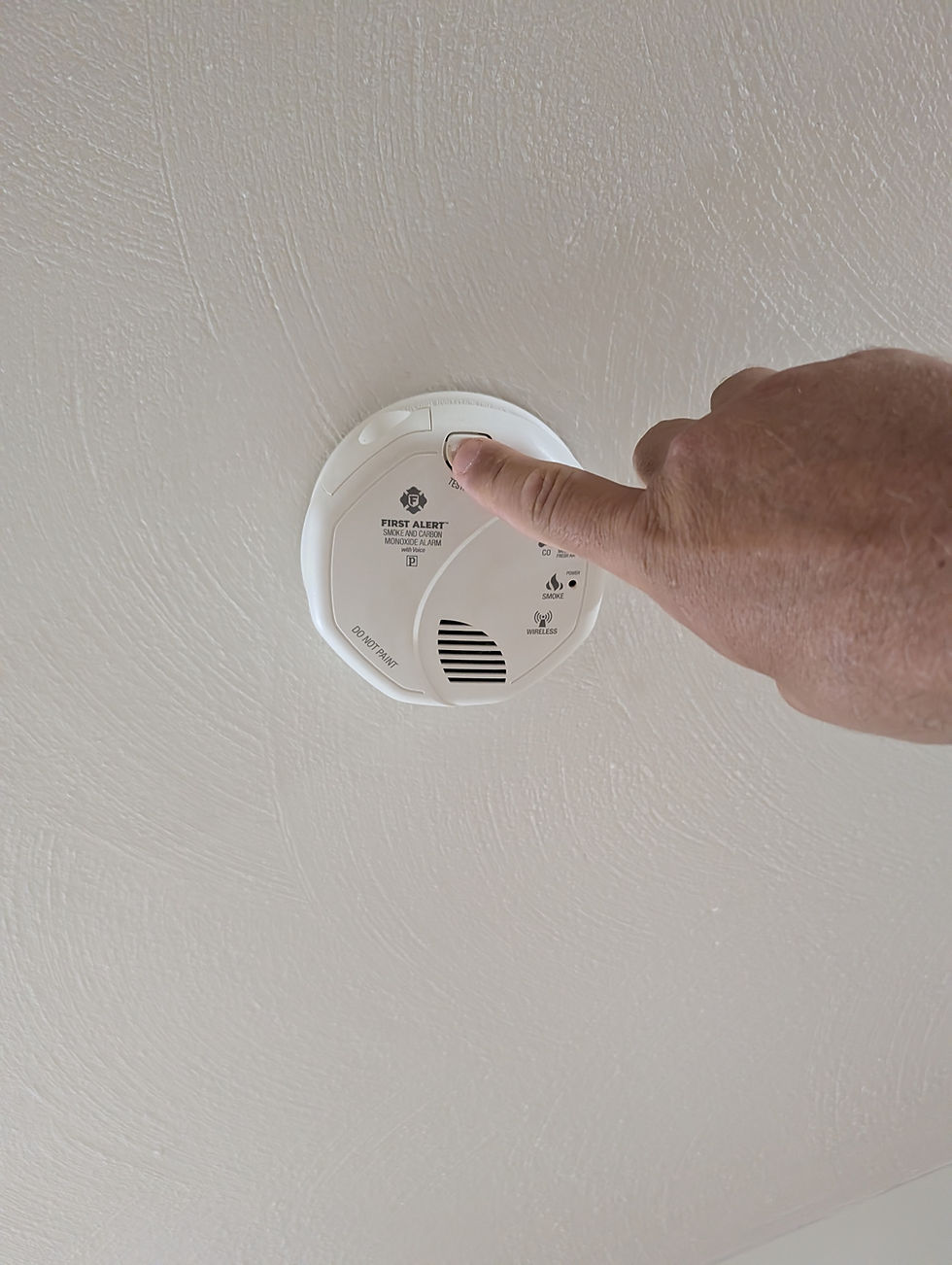
Test smoke and carbon monoxide detectors. With furnaces, fireplaces, and space heaters coming back online, fall is the right time to replace batteries and swap out any detector older than ten years. This one is about your family, not the house.
Winter: Protect Against Freezing and Heat Loss
Winters in the Tri-State are unpredictable. One week it's 50 degrees, the next we're under ice. A little preparation keeps a cold snap from becoming a plumbing disaster.

Disconnect hoses and protect exterior faucets. Drain hose bibs and add insulated covers. Frozen spigots are a common and completely avoidable source of burst pipes.
Know where your main water shutoff is. If a pipe does freeze and break, shutting the water off in seconds instead of minutes is the difference between a wet floor and a gutted room.
Keep an eye on the roof and eaves after storms. Ice dams and heavy snow load show up as icicles along the gutters or water stains on ceilings. Both point to attic insulation and ventilation issues worth fixing.
Never use unvented fuel-burning heaters indoors. Kerosene heaters, propane units, and grills produce carbon monoxide. If you're using a fireplace, have the chimney inspected and cleaned before the season starts.
A Note From Someone Who Sees the Other Side
I inspect homes for buyers every week, and the difference between a well-maintained house and a neglected one is obvious within the first ten minutes. The good news is that most of what separates them isn't expensive. It's consistency. Pick a weekend each season, run through these seasonal home maintenance tips, and write down anything that looks off.
And if you'd rather have a trained set of eyes on it, that's what we do. Infinity Home Inspection offers annual maintenance inspections for homeowners across Western Kentucky and Southern Indiana, not just for buyers. We'll go through the roof, attic, crawlspace, electrical, plumbing, and HVAC, and hand you a clear report with photos so you know exactly where to spend your time and money.
Stay safe, keep your gutters clean, and give us a call if we can help.
— Eddie
Frequently Asked Questions
How often should I have my home inspected if I'm not selling?
Once a year is a good rhythm for most homes. An annual maintenance inspection catches small issues like roof wear, moisture intrusion, or electrical concerns before they become major repairs.
What is the most common home maintenance problem in Western Kentucky and Southern Indiana?
Water management. Clogged gutters, short downspouts, and poor grading lead to wet crawlspaces, foundation issues, and mold. It's the most frequent and most preventable issue I find.
When should I service my HVAC system in this area?
Twice a year: cooling system in spring, heating system in fall. Scheduling before peak season gets you faster appointments and catches problems before you depend on the system.
Do home inspectors do maintenance inspections for current homeowners?
Yes. Infinity Home Inspection provides maintenance inspections for homeowners throughout Western Kentucky and Southern Indiana who want a full picture of their home's condition, not just pre-purchase inspections for buyers.
About the author: Eddie Bittner is the owner of Infinity Home Inspection in Owensboro, KY. He is an InterNACHI® Certified Professional Inspector and Certified Master Inspector® with 25 years of industrial maintenance experience and five years inspecting homes across Western Kentucky and Southern Indiana. He is also a U.S. military veteran.


Comments